

Tag Archives: menopause

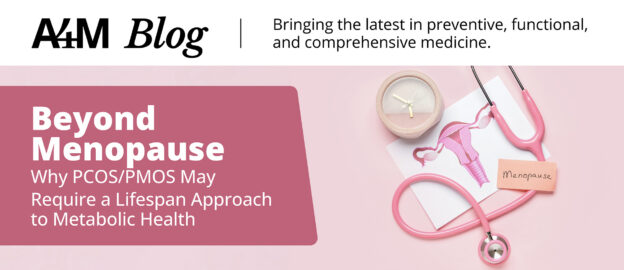
Why PCOS/PMOS May Require a Lifespan Approach to Metabolic Health

Beyond Menopause: Why PCOS/PMOS May Require a Lifespan Approach to Metabolic Health

In the context of longevity medicine, menopause is not a finish line for metabolic health but rather a shift in how we need to monitor it.

That’s the philosophy of Angela Mazza, DO, ABAARM, FAMMFM, ECNU, a triple board-certified endocrinologist, anti-aging and regenerative medicine specialist, and thyroid expert known for her integrative, functional approach to metabolic and hormonal health. Menopause may mark the end of the reproductive years, Dr. Mazza maintains, but it’s also a time of metabolic changes that call for a new approach to monitoring health.
Continue reading →

Reproductive History and Longevity

Reproductive History and Longevity: What Epigenetic Clocks Reveal About Women’s Health

Menopause Awareness Month is observed every October, a global initiative that aims to increase understanding of menopause, highlight symptoms, and promote supportive resources for those experiencing the transition. This October, a newly published study is shedding light on how reproductive history – particularly menopause timing – relates to biological aging measured by DNA methylation clocks. The study adds to research exploring the relationship between reproductive health and biological aging, raising questions about how these findings may eventually inform women’s health assessment.

Continue reading →

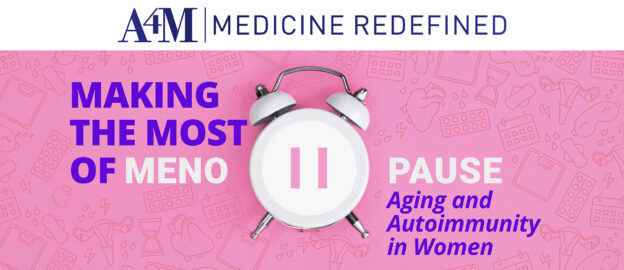
Making the Most of Menopause: Aging and Autoimmunity in Women

The relationship between menopause and autoimmune disease is a women’s health issue that can no longer be ignored. Autoimmune diseases affect women far more often than men, with women accounting for approximately 80% of cases. Hormonal fluctuations during perimenopause and menopause — particularly declining estrogen levels — are associated with an increase in certain immune cells and antibodies that may worsen or contribute to disease onset.

Rheumatoid arthritis, lupus, Sjögren’s syndrome, and psoriatic arthritis are among the autoimmune conditions linked to menopause. Declining estrogen levels during this transition can increase inflammation and reduce the effectiveness of immune regulation. Although hormone therapy use in postmenopausal women has been associated with a higher incidence of certain autoimmune conditions, it has also emerged as an important tool for symptom management and improving quality of life when appropriately monitored.

Continue reading →