

Category Archives: Longevity

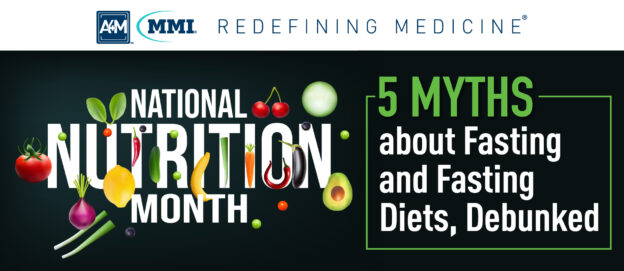
National Nutrition Month: 5 Myths about Fasting and Fasting Diets, Debunked

Fasting diets have witnessed a surge in popularity in recent years due partly to celebrity endorsement, increased awareness of fasting benefits, and a growing body of research that supports this dietary intervention. These nutritional protocols come in many variations, including 5:2 – during which five days of unrestricted eating are followed by two days of fasting – 18:6 – 18 hours of fasting per day with a 6-hour eating window – and alternate-day fasting – which consists of fasting every other day.

A large body of scientific evidence has proven that regular, short-term fasting can improve overall health, promote weight loss, benefit gut health, and enhance cognitive function. While there are different approaches and purported benefits to the popular dietary trend, many misconceptions remain. Read on to discover the popular myths about fasting and the science-backed facts behind them.

Continue reading →

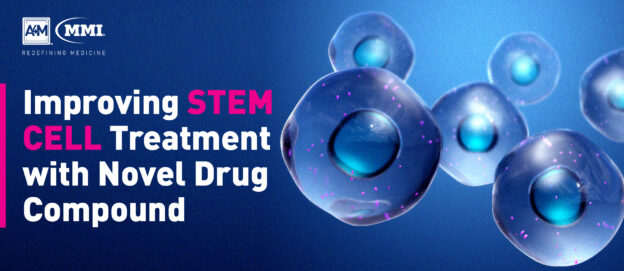
Improving Stem Cell Treatment with Novel Drug Compound

One of the primary limitations of stem cell treatment and the subject of ongoing research is the challenge of directing stem cells to their necessary destination in the body which has been a subject of ongoing research. Prior studies have discovered that stem cells are drawn to inflammation in the body, however, using this as a therapeutic lure still poses risks. Thus, researchers continue their search for tools that would aid stem cells in their migration and conversion into specific types of cells necessary for optimal treatment. The ability to do so would have a wide range of implications for regenerative medicine as well as the treatment of disorders in which inflammatory signals fade over time, such as chronic spinal cord injury, stroke, or conditions in which the role of inflammation remains unknown.  Continue reading →

Physical Activity and Mindfulness for Healing

Evidence suggests that both physical and mental healing can be promoted in patients by way of physical activity and mindfulness practices which may benefit all aspects of well-being, boost quality of life, and help improve health outcomes. Physical activity and regular exercise routines are more regularly recommended to patients in the healthcare setting, particularly in cases of cardiometabolic disease that could benefit from its effects including decreased cortisol levels and inflammation, strengthened cardiovascular health, and improved weight management. A growing body of knowledge implicates the need for the incorporation of mindfulness practices into the healthcare system due to its potential to benefit prevention, diagnosis, and treatment interventions.

Continue reading →