

Physician of the Month: Mark Bezzek, MD

A4M valued member Mark Bezzek, MD shares insight from his professional experience in this Physician of the Month feature.

Triple board certified in Emergency Medicine, Internal Medicine, and Anti-Aging Regenerative Medicine, Dr. Mark Bezzek has also served as a member of a special forces unit in the U.S. Air Force, reaching the rank of Major. Through his trips to Afghanistan and Iraq, Dr. Bezzek developed the tenacity necessary to set a goal, and bring it to fruition: bringing the same laser focus and work ethic to his current work of anti-aging product development.  During his 29 years of clinical practice, Dr. Bezzek has firsthand seen the need for a fresh perspective in the approach to anti-aging. He has created 7 new products, including a multivitamin supplement, a diabetes formulation, an eye health compilation, an anti-aging skin cream, and more–all of which have received patents from the U.S. Patent Office. 
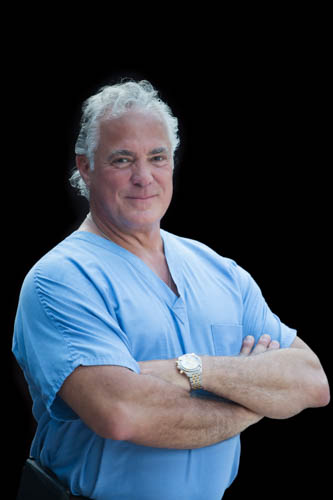
Dr. Mark Bezzek

Q: What anti-aging techniques have you incorporated into your practice? And how did you do so?

I am big believer in using bioidentical hormone replacement therapy, the use of natural alternatives for anti-aging and degenerative diseases. Right now I am actively pursuing a more prominent role in stem cell treatment. I also strongly believe in the use of nutraceuticals in a preventative fashion as it relates to age.

Q: What are the benefits of practicing anti-aging medicine?

Because the baby boomer generation is now coming into their senior years, the demand has grown tremendously. Obviously, we all want to age more gracefully, to have large amounts of energy and to be able to continue to do our daily activities well into our 90’s, all while feeling great! We also want to prevent degenerative diseases such as arthritis so that you are able to lead a mobile, pain-free, productive life.

Q: What are the changes you see in your patients?

This absolutely relates back to the benefits of anti-aging medicine. When you can help a patient regain their energy, vitality, strength, vigor, and zest for life it truly warms my heart. After spending so many years in an emergency room, to work with anti-aging patients one-on-one and see their improvement in quality of life, it is very rewarding.

Q: Why would you recommend anti-aging medicine to your peers?

For the same reason I enjoy it – for the benefits to the patients you see on a daily basis, for the ability to grow a vital and dynamic business and for the chance to help patients achieve a healthier lifestyle well into their golden years.

Q: Where do you see the future of anti-aging medicine twenty years from now?

When I first started out in anti-aging some eight years ago, this field was viewed with a considerable amount of skepticism. Now the use of nutraceuticals is becoming more standard practice and sought after by most patients. I hope that twenty years from now there will have been even more advances in research, and that being of an advanced age is not considered a time to slow down but rather a time to continue to enjoy life. After all, in twenty years, I’ll be 78 myself!

Kidney Disease: Reducing Risk

Kidney disease, which occurs when the organs are unable to filter blood properly, causes approximately 48,000 annual deaths: the ninth leading cause of mortality in the U.S. Because kidney disease is difficult to detect until it is too severe to treat, prevention is critical. Moreover, kidney disease exacerbates heart disease—serving as a major risk factor for development of cardiovascular difficulties.

Preventing the development of kidney disease can be achieved through a variety of interventions, including knowledge of family genetics. Family history can play an integral role in risk, coupled with race and ethnicity. While factors like genetic risk cannot be changed or altered, other contributors can be addressed. Diabetes has been confirmed as the primary cause of kidney disease, accounting for 44% of new cases. Even pre-diabetes can elevate one’s risk of developing kidney disease, making it imperative to keep blood sugar under control and manage the chronic condition if already diagnosed.

In addition to high blood sugar, hypertension and cholesterol are the other two primary risk factors that contribute to the development of kidney disease. The same maladaptive factors that negatively impact the cardiovascular system also tax the kidneys. To help ensure that kidneys function properly, a heart-healthy diet, low blood pressure, and cholesterol reduction are all acutely critical.

Other medical conditions can spur the risk of kidney disease, including chronic viral infections like HIV and Hepatitis C. Routine medical exams to ensure prostate health for men and gynecologic health for women are necessary, as issues ranging from prostate enlargement to tumors in the uterus or cervix can affect kidney function. Moreover, several medications, including over-the-counter painkillers like Advil and Motrin, can also raise the risk of developing kidney disease. It is essential to always ask physicians about medical side effects, and the properties of pharmaceuticals.

Modern Medicine: Gene Therapy Revolutions

The technology of gene therapy has long been viewed as a pragmatic way in which to erase disease, by revising people’s DNA.

Gene therapy, as defined by the U.S. Food and Drug Administration, is a treatment in which a kind of replacement gene is added and integrated into a person’s body—or a disease-causing gene is inactivated. The process involves the addition of new instructions to cells, via billions of viruses with correct DNA strands.

The procedure is complex, first tested in 1990 with an abundance of negative side effects. While the past two decades have seen immense progress, gene treatments run at exorbitantly expensive prices.

Yet scientists and biotechnology entrepreneurs have continued to work and funnel money and resources into gene therapy, and 2016 has seen further growth and development. Italian scientists at Milan’s San Raffaele Telethon Institute for Gene Therapy reported that they had cured 18 children of a rare, extremely debilitating immune deficiency disease—ADA-SCID—by removing the children’s bone marrow and adding a gene to make the ADA enzyme that their bodies lacked.

Moreover, although the revolutionary cancer treatment that uses gene engineering to reprogram immune cells is not always considered a form of gene therapy, this type of immunotherapy has been proven to destroy certain types of cancer.

There is an abundance of promising results through human tests and studies, and 2017 will likely be the year in which the FDA evaluates and assesses several gene therapies. These include a treatment for hereditary blindness; approval would be an enormous breakthrough moment for the biotech industry—and one of the most inventive and pioneering ways to fully eradicate disease.