
Category Archives: Nutrition

Carbohydrate Restriction for Delaying the Aging Process

In a growing aging population, increasing life expectancy is becoming a secondary concern to mitigating age-related disease and the associated repercussions. Improving health outcomes for rising older population is necessary to decrease the socio-economic burden of age-related disease, while promoting overall population health. Although the human lifespan has greatly expanded over the past century, good health and its maintenance remain topics of importance. Recently, dietary solutions to quelling the aging process have surged in popularity, with intermittent fasting, calorie restriction, and other diet plans spearheading the movement.

Continue reading

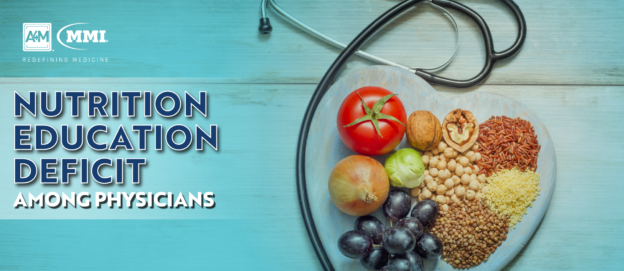
Nutrition Education Deficit Among Physicians

 Despite the continuous medical focus on obesity, nutrition, and diet-related diseases, many internal medicine training programs still lack comprehensive nutrition education modules, leaving residents and physicians inadequately equipped to handle many related conditions – including the pervasive obesity health crisis. A commentary published in JAMA Internal Medicine in July underscores the persisting need for nutrition knowledge for today’s physicians.

Continue reading

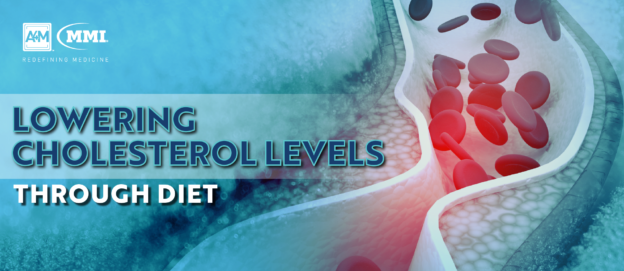
Lowering Cholesterol Levels Through Diet

Maintaining healthy cholesterol levels can greatly reduce the risk of cardiovascular disease development and stroke while promoting heart health. According to current guidelines for blood cholesterol management, adults should have a total cholesterol reading of less than 200 mg/dL however, many individuals struggle with high levels of triglycerides and low levels of HDL putting them at risk for heart disease.

For some, lowering cholesterol levels requires a multifactorial approach comprised of medication, weight management, physical activity, and nutritional restrictions. Other individuals with elevated cholesterol levels may benefit from simple dietary changes such as reducing animal protein intake and increasing vegetable consumption, which can lower total cholesterol by 25% or more.

Continue reading