
Author Archives: Zuzanna Walter

Top Clinical Endocrinology Topics You Can’t Miss at the BHRT Symposium

A growing understanding of the intricacies of thyroid health, hormonal imbalances and therapies, as well as advancements in other facets of the burgeoning field of clinical endocrinology have drawn increased attention to novel treatment modalities and their potential to relieve –and even prevent – many symptoms of the aging process. To optimize treatment strategies and patient health outcomes, it is increasingly important for clinicians to stay up-to-date on the latest developments in hormone health. At one of our most popular events, the Bioidentical Hormone Replacement Therapy Symposium, a panel of experts will review the most recent and relevant research available, analyze the medical evidence surrounding hormone therapies, and delve into strategies for safely and effectively merging them into clinical practice. From thyroid optimization to growth hormone deficiency, attendees will have the opportunity to explore the most clinically current topics in the field through a series of expert-led sessions curated to provide a comprehensive overview of the latest updates in endocrinology.

Continue reading

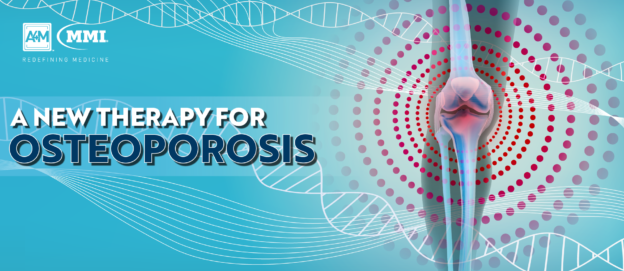
A New Therapy for Osteoporosis

Currently, an estimated 10 million people in the United States suffer from osteoporosis, with a disproportionate number of affected women. Caused by thyroid problems, aging, low body weight, hormonal dysfunctions, and other conventional risk factors, osteoporosis greatly increases the likelihood of fractures – especially in the spine, hip, and forearm. Fragility fractures are very common and dangerous; they not only increase morbidity and mortality rates, but they also greatly reduce mobility and quality of life.

Continue reading

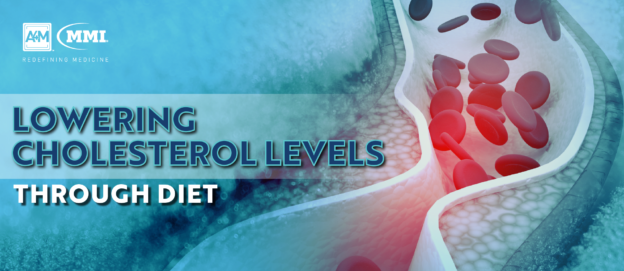
Lowering Cholesterol Levels Through Diet

Maintaining healthy cholesterol levels can greatly reduce the risk of cardiovascular disease development and stroke while promoting heart health. According to current guidelines for blood cholesterol management, adults should have a total cholesterol reading of less than 200 mg/dL however, many individuals struggle with high levels of triglycerides and low levels of HDL putting them at risk for heart disease.

For some, lowering cholesterol levels requires a multifactorial approach comprised of medication, weight management, physical activity, and nutritional restrictions. Other individuals with elevated cholesterol levels may benefit from simple dietary changes such as reducing animal protein intake and increasing vegetable consumption, which can lower total cholesterol by 25% or more.

Continue reading