

Tag Archives: functional nutrition

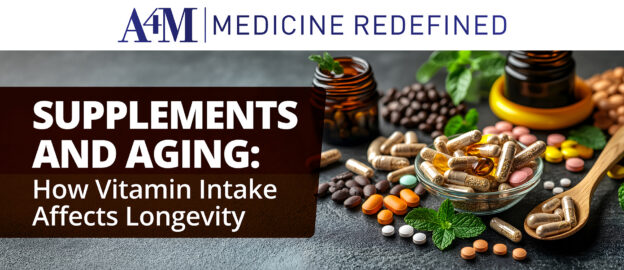
Supplements and Aging: How Vitamin Intake Affects Longevity

The path to increased longevity appears to be lined with vitamins. A large-scale human study conducted by researchers from West China School of Medicine and West China Hospital, Sichuan University, has shown that a higher intake of dietary vitamin mixtures is associated with slower biological aging, and that vitamin C may be the key protective driver, with vitamin B2 also contributing to the protective effects against biological aging.

Decelerated Biological Aging

In the years since Polish biochemist Casimir Funk originally coined the term “vitamine” in 1912, these organic compounds — essential for normal growth, metabolism, and health — have been studied to determine their effectiveness is disease prevention and overall health. In today’s longevity-conscious world, the role of vitamins continues to be examined, especially in promoting health and wellness and slowing the effects of aging.
Continue reading

Children’s Nutrition Today: Eating Patterns and Use of Dietary Supplements

Nutrition is a fundamental component of health, and establishing healthy eating habits early in life is critical to ensuring lifelong healthy dietary patterns. Throughout their childhood, pediatric patients develop their eating habits, food preferences, and other lifestyle factors that can determine the state of their physical and mental health and long-term outcomes.

Research has shown that children who eat nutrient-rich foods as part of a well-balanced diet have more energy, stronger immune systems, and fewer diseases than those with poor eating habits. Unfortunately, present statistics reveal that millions of children across the nation are not meeting their nutrient requirements, indicating an alarming negative trend in pediatric nutrition with severe future implications.

Continue reading

National Nutrition Month: The Effects of Sugar Addiction on the Body

While sugar may seem like an innocuous substance to some, the compound can cause severe damage to both physical and mental health when consumed in excessive amounts. Experts believe that high sugar intake is one of the leading causes of rising obesity and chronic disease rates across the globe. What’s more, chronic overconsumption can increase future cravings for sugar and ultimately result in sugar addiction, which has become prevalent in the population. Many people remain unaware of the negative health effects the substance has on their bodies and even the amount they are consuming on a daily basis, as sugar is often a hidden ingredient in various food products. These individuals experience a heightened risk of developing one or more of the many conditions associated with high sugar consumption, including but not limited to obesity, type 2 diabetes, and cardiovascular disease.

Continue reading