
Sexual Health: STD Scares & Safety

According to the most recent STD surveillance report, published by the Centers for Disease Control and Protection, the United States is currently facing the most reported cases of sexually transmitted diseases—ever.

Between 2014 and 2015, the three most commonly reported STDs in the country—syphilis, chlamydia, and gonorrhea—have reached an all-time high, rising by 19%, 5.9%, and 12.8%, respectively. This marks the second consecutive year that these rates have climbed, reversing previous downward trends. While the advancement of medical research and technology has the capacity to curb and treat many of these diseases and infections, there are still devastating consequences. The health outcomes of syphilis can include miscarriage, stillbirth, blindness, and stroke, while chlamydia can cause extensive damage to a woman’s reproductive system if left untreated. Research demonstrates that gonorrhea is rapidly becoming resistant to the antibiotics that once cured it.

Even more troubling are the populations that are the most at-risk, teenagers and young adults, and the lack of support they receive. In 2012, 20 health departments closed their STD clinics, and slashes to local and state budgets have further weakened the ability to support STD care and prevention programs.

Dr. Gail Bolan, Director of the CDC’s Division of STD Prevention, articulated that it is evident that most Americans are not receiving the preventive services they require. In order to address the massive upsurge in STDs, Bolan recommended improving surveillance systems that collect and analyze data on new STD cases, and urging for those with new diagnoses to receive access to treatment. Moreover, she reinforced the critical importance of continuing to study the risks and complications of STDs.

Dr. Jonathan Mermin, Director of the CDC’s National Center for HIV/AIDS, Viral Hepatitis, STD, and TB Prevention, expressed potential ways to try and reverse the epidemic, while highlighting that prevention resources are “stretched thin,” and people are beginning to “slip through the public health safety net.” Ultimately, bolstering prevention efforts and addressing new challenges will reduce health disparities and improve wellness, in addition to saving billions of dollars.

Learn more about sexual health through our Sexual Health Certification. Through didactic and participatory/lab learning, modules focus on the diagnosis, evaluation, and treatment of sexual health disorders in men and women. Register today for our upcoming workshop in Las Vegas: Advances in the Diagnosis and Treatment of Sexual Dysfunction. 
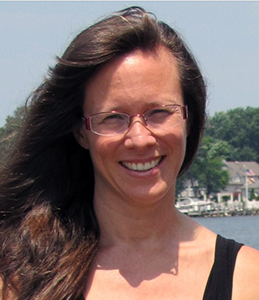
Physician of the Month: Janelle M. Love, MD, MS, FAARFM

Janelle M. Love, MD, MS, FAARFM

A4M valued member Janelle M. Love, MD, MS, FAARFM, shares great insight from her professional experience in this Physician of the Month feature.

Dr. Love is a board certified physician in Anti-Aging and Regenerative Medicine who practices with a functional medicine approach. After her son was diagnosed with autism, she investigated the potential therapies for autistic children and now treats children on the autistic spectrum. Therapies include addressing the inflammation, infections, food intolerances, oxidative stress, and environmental triggers these children face.

In her quest to heal children, she learned that many of the therapies for the kids with autism helped other many other conditions, as well for adults and non-autistic children. She then expanded her knowledge base by attending numerous conferences over the years. Her training has led her to treating individuals for natural hormone replacement, severe neurological conditions such as ALS, MS, Alzheimer’s, and Parkinson’s disease, chronic fatigue syndrome, fibromyalgia, ADHD, allergies, depression, anxiety, OCD, environmental toxicities, and many more/

Q: Before joining A4M, what was your medical background?

I was trained and practicing as a board certified family physician with my own solo practice before I started to learn about functional/anti-aging medicine. Other responsibilities included working at a local nursing home, working at an urgent care center, performing house calls, and functioning as a director of a women’s wellness center.

Q: What anti-aging techniques have you incorporated into your practice? And how did you so?

As I learned to “think outside the box,” I started incorporating genetic, toxin, hormonal, intestinal, nutritional, and immune system investigation in my practice. My practice of functional/anti-aging medicine encompasses improving the function of all body systems by determining what is lacking or what is in over abundance. Hyperbaric oxygen therapy, intravenous nutrition, and neurofeedback supportive therapies are also areas I have received training in and incorporate into my practice.

Q: What are the benefits of practicing anti-aging medicine (as a professional, and for your practice)?

Many of the patients I see for the first time have already been to numerous doctors and have little hope until they become a part of my practice. I became a physician to help people heal. Now I am. Every day I have a new challenge and become a medical detective, which leads to significant positive health changes for my patients. I love my job.

Q: What are the changes you see in your patients?

Sometimes there are dramatic changes in patients. Depression and anxiety resolve by treating hormone imbalances. Fatigue improves and resolves after treating underlying causes. Chronic abdominal pain resolves. Chronic rashes disappear. Autistic children begin to speak and have eye contact. Dementia starts to reverse. Patients have hope again.

Q: Why would you recommend Anti-Aging Medicine to your peers?

As a health care provider you can actually heal your patients and not just continuously refill their medication every 6 months. You can do what most of us went to medical school for—to help people and make a difference. It is a very rewarding profession.

Q: Where do you see the future of Anti-Aging medicine 20 years from now?

In 20 years I hope health care has followed this track and becomes more proactive and preventative to help people lead healthier, fuller lives. This type of practice is on the cutting edge and should be standard of care in years to come.

Open to all A4M Members: If you would like to be featured as A4M’s Physician of Month, please write us at [email protected].

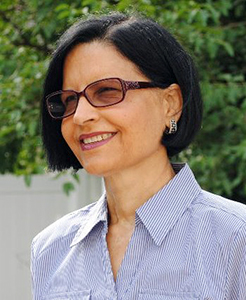
Physician of the Month: Rehana Sajjad, MD

Rehana Sajjad, MD

A4M valued member Rehana Sajjad, MD, shares great insight from her professional experience in this Physician of the Month feature.

For 40 years, Dr. Rehana Sajjad has actively practiced in a wide spectrum of ob-gyn medicine cases, including outpatient and inpatient, with over 20 years of experience in the United States alone. Dr. Sajjad practices a core philosophy of enabling her patients to achieve highest levels of health and wellness. She utilizes the most up-to-date resources for evidence-based healthcare and, enhanced by her excellent communication skills, strives to keep her patients informed and involved in every aspect of their health care. She is often described by patients as being “motherly”. Dr. Sajjad is the Founder & Chief Provider at Women’s Health Care and a strong proponent of technological advancements.

Q: Before joining A4M, what was your medical background? 

I am a board certified OB/GYN.

Q: What anti-aging techniques have you incorporated into your practice? And how did you so?

I have started bio-identical hormone replacement therapy, leaky gut treatment, cardiovascular health, thyroid health, menopausal health, diabetes, weight loss, prevention of breast cancer recurrence, memory loss, longevity, and infertility. Even counseling to the prenatal patients has changed as well. I tell them to eat organic, improve their Vitamin D, C, B levels.

Q: What are the benefits of practicing anti-aging medicine (as a professional, and for your practice)?

Anti-aging medicine gets to the root of the cause of the problem rather than treating the symptoms.

Q: What are the changes you see in your patients?

Patients are very happy and don’t even want to go back to their primary doctors and their traditional medicine philosophies.

Q: Why would you recommend Anti-Aging Medicine to your peers?

This is the real medicine. If all the doctors start practicing this, it will give awareness to the general population about how to eat and live healthy and prevent heart diseases, cancers, auto immune diseases, obesity, diabetes, hypertension, depression, schizophrenia, and Alzheimer’s, just to name a few.

Q: Where do you see the future of medicine 20 years from now?

My feeling is that 20 years from now, the country will have as many Anti Aging docs as we have conventional doctors now. The public will seek natural remedies and diseases will be curable with quality of life.

Open to all A4M Members: If you would like to be featured as A4M’s Physician of Month, please write us at [email protected].